Sector: Technology
Sampling isn’t trial — & confusing the two costs brand growth
A freebie might spark curiosity , but without context, it won’t become part of someone’s routine.
By Curious Nation, 25/06/25


It’s a familiar scenario most of us have experienced. You’re rushing through a train station or weaving down a busy city street, when someone hands you a free soft drink or a muesli bar. This is sampling, and while it’s great for quick reach, it’s not the same as brand trial. Sampling gets products into hands while trial get products into minds, and if executed well is a powerful lever for brand growth.
The difference might sound subtle, but it’s critical. Sampling is a tactic. It’s fast, broad, and often unforgettable if it isn’t relevant or not branded in a way that sticks. Trial, on the other hand, is an outcome. It happens when someone experiences your product in a moment that means something, and at its core should be an always-on strategy to spark memory, build brand codes and drive real-world usage.
Marketers often confuse sampling and trial, but in doing so miss one of the most powerful drivers of brand growth. The best marketers know that sampling isn’t the goal. It’s just the start. When designed well, it becomes a pathway to true trial, an experience that creates memory, meaning, and momentum.
Design for impact, not just reach
The best brands don’t just chase volume, they design trial for impact. In categories where parity is high and loyalty is low, trial is how you recruit new buyers and trigger future sales. It’s how you embed memory structures that make a brand easier to recall, and easier to buy. As Byron Sharp has shown, growth doesn’t come from squeezing more out of existing customers, it comes from reaching new and light buyers.
Trial, done right, is how you bring consumers into the brand’s world. But to do that, it has to go beyond the transactional. It has to genuinely be an authentic brand experience, and it has to be emotional. Recently I was treated to two, very simple examples of trial, both of which drove curiosity and connection.
Make it personal, make it felt
At Cantina OK!, (a mezcal bar) and barely the size of a pantry in Sydney’s CBD, my husband and I were guided through a tasting. Each pour came with handwritten notes on bar coasters that doubled as souvenirs. ‘Try now’, ‘we drank Felipe Cortes’, I walked in a mezcal novice, and left with a new favourite and a feeling that someone cared enough to walk me through it.
Then, at a well-known hostelry in Annandale, while I wasn’t looking for whisky, the ‘Winter Warmers’ menu and a rugged Talisker enamel cup got me (and no, it didn’t come home in my handbag!). The promise of warmth and the tangible storytelling, nudged me into a hot toddy, and an upsell.
Trial is about lowering the barrier, igniting curiosity, and giving people a reason to say yes. One was intimate and educational, the other emotional and seasonal. Both made me feel something and that’s the alchemy all brand marketers should all be chasing.
When mass reach won’t cut it
For premium or niche brands, where mass sampling isn’t feasible, high-touch branded experiences, like masterclasses, invitation-only tastings, or co-created kits, can be even more powerful. Whether it’s a 24-hour test drive or a 100-night mattress return policy, high-consideration brands use experience and reassurance to drive conversion.
For example, Kia Australia attributes much of its success in 2024, where it sold more than 80,000 cars placing it fourth in the market, to a focus on experiential brand marketing as part of its sponsorship of The Australian Open. Its general manager of marketing, Dean Norbiato, told The Australian’s The Growth Agenda: “When [we] turned the focus on experiential and brand, moving away from retail, we did find that the glow of success extended through January, February, and even into March, in terms of the level of inquiry and interest to website sales, as opposed to having more of a retail focus. And using it as a platform to build the brand we’re finding is having a much bigger long-term impact on the Kia badge.”
Consistency creates memory
But trial needs to be consistent. Red Bull doesn’t just hand out its products, they curate the experience and stay on point every time. Attention to detail matters: the perfectly chilled cans are always opened for you, and always served with the label facing towards you. While it may sound simple and more of a sampling opportunity, the way it’s executed makes it memorable and drives loyalty.
The smartest brands no longer treat trial as a stunt. They’re building ecosystems designed to deliver it meaningfully and repeatedly, leveraging brand ambassadors to educate, using emotional triggers like seasonality or nostalgia to spark relevance, and offering low-friction incentives that ease the leap from sample to shelf. Just as critically, they’re designing trial moments that earn attention, crafted for sharing by creators, influencers, and media alike. Because in today’s landscape, what people post is as powerful as what they experience. Nearly 80 per cent of marketers now say earned media is more effective than traditional advertising for creating a point of difference. And real-world trial delivers that proof; visible, shareable, and trusted.
Trial isn’t just about first taste. It’s about first impressions. It’s the entry point to mental availability and future consideration. When designed well, trial doesn’t just drive sales, it builds salience, affinity, and fame. Because in the end, people don’t just buy what they try. They buy what they remember.
This article was originally published on Bandt.com.au.

See all our insights
See all our insights
See all our insights
Contact us
Curious? Us too. Get in touch.
Let’s craft your next unforgettable event. Reach out to discover how we can help you make a meaningful impact.
Let's chatRetail media isn’t a marketing strategy. It’s a channel.
Retail media is booming — and with that, a lot of marketing teams are being asked to “get into retail media” or “develop a retail media strategy.”
By Curious Nation, 05/06/25
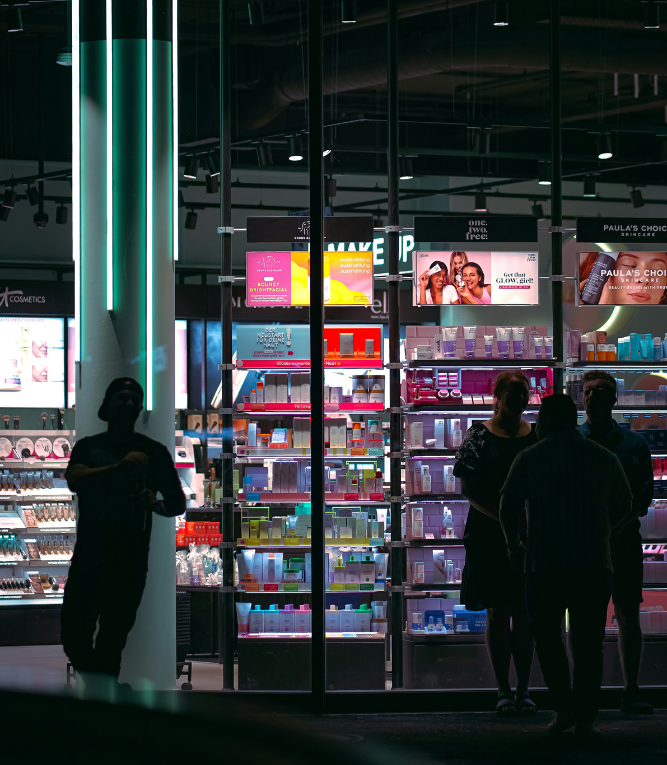
But here’s the kicker: retail media is not a strategy in itself. It’s a channel – an incredibly powerful one, yes – but still a channel.
When we think about retail media in the right way, it helps us build better marketing plans, achieve more consistent results, and set clearer expectations for how this channel supports business outcomes.
Retail media’s rapid rise
It’s no surprise brands are leaning into retail media. The ability to reach shoppers close to the point of purchase, combined with rich first-party data, makes it an enticing proposition.
But in the rush to invest, many marketers are treating retail media as if it requires an entirely separate strategic approach. That’s where problems start to emerge.
The role of retail media within the marketing mix
Like any other channel — search, social, programmatic — retail media should be selected and used based on what it can deliver within your broader marketing objectives.
Too often, we see brands running retail media in isolation, without clear alignment to upper-funnel activity or their brand strategy. That can lead to fragmented messaging and inefficient spend.
Instead, we recommend building retail media into your full-funnel plan:
- Understand what role it plays at each stage of the funnel
- Use it to complement (not replace) your other activity
- Set measurement frameworks that capture its contribution to your wider goals
A strategic mindset shift
When you treat retail media as a channel — not a standalone strategy — your planning and execution become more sophisticated. You’ll be clearer about how it fits with brand campaigns, CRM, trade marketing, and ecommerce.
You’ll also set more realistic expectations internally. Retail media can drive sales and support brand growth — but it’s not a silver bullet. Like every channel, its success depends on how it’s integrated and optimised.
Want expert help building an integrated, full-funnel retail marketing plan that gets results? Get in touch.
This article was originally published on AdNews.
Next InsightSee all our insights
See all our insights
See all our insights
Contact us
Curious? Us too. Get in touch.
Let’s craft your next unforgettable event. Reach out to discover how we can help you make a meaningful impact.
Let's chatWe turned Circular Quay into a giant piano — here’s why
We’ve always believed that the best ideas don’t just make people look — they make people feel. That belief sat at the heart of our recent activation for ABC’s new series, The Piano — a show that celebrates the spontaneous, emotional power of music in everyday life.
By Curious Nation, 02/06/25

We’ve always believed that the best ideas don’t just make people look — they make people feel. That belief sat at the heart of our recent activation for ABC’s new series, The Piano — a show that celebrates the spontaneous, emotional power of music in everyday life.
So we asked ourselves: what would it look like if we took that idea — raw, unscripted musical talent — and made it tangible in the real world?
The answer: Circular Keys.
For one unforgettable day during Sydney’s Vivid Festival, we transformed Circular Quay into a live stage — not for a performance, but for possibility.
Playing with wonder
The Piano, hosted by Amanda Keller and featuring global icon Harry Connick Jr. alongside concert pianist Andrea Lam, invites amateur pianists to play in public spaces — unaware they’re being watched by two musical legends. The show is built on surprise, emotion, and everyday brilliance.
To bring that energy into the world, we built a 15-metre, custom-made, walkable piano that responded to movement — lighting up and playing notes with every step. Think less fingers-on-keys, more joy-under-foot. It became a playground for all ages, where people stumbled across a piano big enough to dance on, and did exactly that.
And yes, the irony of creating something so analogue in a world full of screens wasn’t lost on us. That was the point.
The sound of surprise
Throughout the day, performers brought the piano to life — with renditions of Clocks and Baby Shark, plus more than a few improvised solos from spontaneous walk-ups. And then we dialled things up: Andrea Lam, one of the stars of the show, appeared unannounced for a live performance — bringing world-class classical music to the feet of surprised festival-goers.
We’ve seen a lot of brand activations — but there’s something about watching a world-renowned pianist play next to a toddler hopping out Chopsticks on the same keyboard that captures the spirit of what we aim to do: create connection through curiosity.
Why it worked
Our brief from ABC was simple: generate awareness for The Piano and get people talking. We knew this needed to be more than a performance — it needed to be a moment. Something shareable, yes — but more importantly, something people would remember.
“The Piano is a celebration of untapped talent, community and the transformative power of music. Our goal was to bring that spirit to life in a way that felt both joyful and unifying. Circular Quay gave us the perfect stage, where the public became the performers, and the amazing content was amplified across social media.” said Stephanie Babin, Managing Partner at Curious Nation.
We created something you could stumble across and be part of — whether as a dancer, a pianist, or someone just passing by. It was immersive, low-fi, and utterly human — and it resonated across social, drawing thousands of shares, smiles, and musical steps.
As ABC’s Siobhan McGeown put it: “The Piano is a show that surprises and uplifts, and Curious Nation’s activation captured that essence beautifully. It was utterly memorable and the perfect way to build buzz and introduce Australians to a show they’ll fall in love with.”
What we’re really talking about
For us, this wasn’t just about promoting a show — it was about reintroducing a bit of magic to the public space. We live in an age where most brand interaction happens through screens. But we believe the future belongs to brands that create real-world moments that make people feel something.
Moments you don’t just watch — you walk on.
To find out how we can create a moment that matters you, check out our experiential & events marketing page.
Next Insight
See more insights
See all our insights
See all our insights
See all our insights
Contact us
Curious? Us too. Get in touch.
Let’s craft your next unforgettable event. Reach out to discover how we can help you make a meaningful impact.
Let's chatWhy brands need to reject algorithms & embrace curiosity — before it’s too late
The magic of discovery has been largely outsourced. But beneath the surface of our digital routines, the spark of genuine wonder still flickers, just waiting for brands to fan it into flame. Meredith Cranmer explores the need for brands to embrace curiosity — before it’s too late.
By Curious Nation, 09/05/25

I remember when getting lost in thought meant exploring a quirky side street or stumbling upon a hidden café. These days, my curiosity often feels hijacked by algorithm-fed content and endless scrolls of familiar posts.
Curiosity is the lifeblood of human progress, pushing us to question the familiar and explore new frontiers. It fuels creativity and innovation, prompting us to challenge assumptions and uncover deeper truths about our world. At a time where information is abundant and easily accessible, it is curiosity that compels us to look beyond the surface and seek out meaningful experiences.
Coca-Cola chairman and CEO James Quincey laid it out at the recent Adobe Summit in the US. As AI-generated content floods every corner of our screens, live experiences will become “the only thing you can’t avoid”. He warned that consumers are no longer satisfied with a barrage of uninspiring content. Instead, they are ready to embrace genuine, creative moments that break the mould of passive consumption.
And that digital consumption itself is also on the decline, with research from Dr. Gloria Mark, Chancellor’s Professor of Informatics at the University of California, indicating that the average attention span on a screen has decreased from 2.5 minutes in 2004 to just 47 seconds in recent years.
Therefore, it is no longer enough for marketers and brands to simply feed us information or quirky videos and memes if they want to drive real outcomes – brands need to ignite experiences that spark wonder and invite deeper engagement, building deeper and long-lasting connections with consumers who are longing for more than a quick hit digital fix.
And we have examples of some doing it well. Airbnb has launched ‘Categories’, inviting guests to explore stays ranging from castles to treehouses and even off-grid properties. They are not just renting out rooms but offering a passport to adventure that taps into our innate desire to discover the unexpected. With ‘Icons’, another new Airbnb category, people can enjoy experiences never previously available, such as spending the night in the floating house from the film ‘Up’, spending the night in the Ferrari Museum or a stay in Prince’s Purple Rain house. Brian Chesky, Airbnb co-founder and CEO, captures it perfectly: “As life becomes increasingly digital, we’re focused on bringing more magic into the real world… we’ve created the most extraordinary experiences on earth.”
In Australia, Secret Foodies is revolutionising how we experience culinary adventures. By orchestrating secret dining events shrouded in mystery until the last minute, the brand creates a palpable buzz and a sense of exclusivity that traditional restaurant bookings simply cannot match.
Red Bull also knows how to play the mystery card. Its ‘Unforseen’ events are notorious for keeping details under wraps, offering just enough information to pique curiosity without giving away the full story. This strategy transforms every Red Bull event into an invitation to participate in a larger-than-life experience – a chance to break away from the mundane and dive into something genuinely exciting.
Independent brand strategist, Eugene Healey, captured the essence of this shift perfectly. “When everyone goes broad, it becomes cool to go deep. The coolest people in our society right now are the ones who are the most deeply obsessed with their hobbies and passions.”
It’s also apparent there is a growing appetite from marketers to embrace real-life, in-person, connections. In 2024, spending on experiential marketing was expected to hit US$128.35 billion – rising to above pre-pandemic levels for the first time, according to PQ Media’s B2C and B2B Experiential Marketing Forecast 2024-2028. This trend was confirmed in the US where American consumer spending on experiences during the 12 months ending August 2024 rose by 32%, according to Earnest Analytics.
As AI continues to democratise access to general knowledge, space needs to be left for those who choose to pursue niche interests with a fervour and curiosity that truly stands out. Where broad, superficial understanding is the norm, depth and dedication have become the ultimate status symbols.
Brands must act as catalysts for curiosity, providing spaces where consumers are invited to explore, interact, and engage on a more profound level. The ones that will succeed are not those that have the most content but the ones that make us stop scrolling and start wondering, because the pursuit of genuine, unfiltered experiences remains at the heart of what makes us human.
By Meredith Cranmer.
This article originally appeared in Mediaweek.
Next Insight
See more insights
See all our insights
See all our insights
See all our insights
Contact us
Curious? Us too. Get in touch.
Let’s craft your next unforgettable event. Reach out to discover how we can help you make a meaningful impact.
Let's chatWhy being dull is the most expensive mistake your brand can make
In a world where consumer attention is everything, brands that fail to surprise and delight risk more than being overlooked — they risk becoming irrelevant.
By Curious Nation, 10/04/25

At Curious Nation, we see it play out all the time: the brands that play it safe, fade. The ones that dare to stand out — and actually connect with their audience — win hearts, minds, and market share.
There’s one cost no brand can afford: the cost of being dull. This truth isn’t new, but it’s gaining sharper relevance in an era where sameness dominates the customer journey. Surprise and delight aren’t just nice-to-haves — they’re a strategic advantage. Miss the opportunity to create a moment, and you may be missing the chance to build long-term brand equity.
The customer journey is full of expected touchpoints — so when a brand breaks the pattern with something genuinely unexpected, it cuts through. Personalised, thoughtful moments of surprise not only create emotional connection, they drive talkability and, more importantly, memory.
Experience drives equity
According to Kantar, only 25% of a brand’s equity comes from comms like paid media. The other 75%? It’s built through experience — how people interact with your products, services, and brand touchpoints.
Too many brands focus on what they’re saying, and not enough on what they’re making people feel. If your brand experience is forgettable, you’re not just missing potential — you’re leaking value. Dullness doesn’t just mean silence; it often leads to disengagement, lower loyalty, and reduced lifetime customer value.
That’s where surprise and delight become essential — because they’re what people remember. And at Curious Nation, helping brands engineer those moments is right in our wheelhouse.
Why surprise and delight works
Modern consumers don’t just want a product or service — they want something that resonates emotionally. They want to feel something. That’s why these moments work so well. They speak to something human.
And when they’re personalised? Even better. When a brand nails that perfect small gesture or unexpected activation, it shows real understanding. It creates a deeper sense of connection — and earns loyalty that money can’t buy.
One brilliant example is Monzo’s ‘ATMmm’ pop-up with Greggs. Born out of data showing that millions of customers were buying Greggs using Monzo, the brand teamed up with the high street giant to create a pop-up ATM that dispensed free sausage rolls (vegan included, of course). A playful, unexpected idea that turned a moment into a movement — and reinforced brand love in the process.
Experiences build brands – not just ads
It’s easy to assume brand fame comes from big ad budgets. But the most powerful brands today are built on exceptional experiences — the ones people talk about, share, and remember.
Take Disney. They don’t just operate theme parks — they create magic in every interaction. Even the soap dispensers in Tokyo Disneyland offer a surprise: Mickey Mouse-shaped foam. These moments aren’t just charming. They’re strategic. They transform the mundane into something truly memorable.
And if Disney can add joy to a soap dispenser, what’s stopping everyday brands from doing the same? The opportunity isn’t limited to premium players — in fact, challenger brands are often more effective at using surprise to differentiate. They can’t outspend the giants, but they can absolutely outsmart them.
Consistency first. Then, surprise.
There’s a balance, of course. You can’t build surprise and delight on a shaky foundation. Get the basics right first — product, service, reliability — and then layer in the magic. A great customer experience is the starting point; surprise is the amplifier.
Or as we like to say: you need a great sausage before you add the sizzle.
When done right, surprise and delight moments feel like an extension of the brand — not a gimmick. They reinforce your values, not distract from them.
The real cost of playing it safe
In a world where attention is a currency, playing it safe is expensive. It leaves you invisible. It lets other brands — braver, bolder ones — take your place in the minds and feeds of your audience.
So here’s our challenge to you: don’t settle for ordinary. Be the brand that breaks the scroll, starts the story, sparks the emotion. Set aside some space (and some budget) to get closer to your customers through experiences they never saw coming.
Because in today’s landscape, the brands that surprise and delight aren’t just remembered — they’re loved.
And the ones that don’t? Well, they’re just background noise. And that’s a price no brand can afford to pay.
Next Insight
See more insights
See all our insights
See all our insights
See all our insights
Contact us
Curious? Us too. Get in touch.
Let’s craft your next unforgettable event. Reach out to discover how we can help you make a meaningful impact.
Let's chatRetail brands: it’s time to start looking beyond the shelf to the screen
At Curious Nation, we know attention spans are now TikTok-short. In today’s fast-moving retail landscape, products can’t afford to sit pretty and hope for attention — they need to leap off the shelf (or screen) and spark emotion, excitement and, ideally, content creation. The product showcase has evolved.
By Curious Nation, 24/03/25

What was once a low-key press event has become an immersive brand spectacle — designed to generate buzz, shareable content, and genuine audience engagement far beyond the event itself. The line between physical and digital isn’t just blurred — it’s being redefined. And that’s where we come in.
Social-first thinking, sensory-first experiences
Social media doesn’t just reflect consumer behaviour — it shapes it. Research from Sprout Social earlier this year revealed that 49% of consumers make purchases based on influencer content. And with nearly a third of people placing more trust in influencers than ever before, this is a channel that’s not just ‘nice to have’ — it’s essential. Meanwhile, HubSpot data shows a 39% YoY jump in purchases made directly through social platforms.
At Curious Nation, we work with brands to build showcase moments with content creation in mind from the start — tapping into the creators, platforms and formats that move the needle. Because the best product launches don’t just make noise in the room; they echo across feeds, stories, and reels for weeks to come.
Experiential commerce is here
Australia’s biggest retail names are already leaning into the opportunity. Take Chemist Warehouse’s ‘CW Market’ — a multisensory brand playground that brought together over 60 product lines and a handpicked group of media and influencers. It wasn’t just a display; it was an experience. From hands-on trials to beautifully designed spaces built for Instagram and TikTok, the CW Market turned curiosity into content, and samples into stories. It’s the kind of strategic earned media gold we help brands strike.
Overseas, the stakes are even higher. Future Stores — launched recently in London’s Oxford Street precinct — takes things to the next level. Described as a blend of “creativity, technology and multi-sensory design”, this concept store flips traditional retail on its head. With ever-rotating brand takeovers and activations designed for maximum shareability, it’s not just a place to shop — it’s a stage. One that’s built for creators, influencers, and media to co-create content on the fly.
This isn’t the future of retail — this is retail. And it’s coming fast.
From events to earned media machines
What makes the modern showcase truly powerful is its potential for earned media. Creators don’t just attend; they amplify. And with the right strategy, the moments they capture — a beauty reveal, a stylised setup, a clever brand stunt — become your campaign assets, organically distributed to highly engaged audiences.
We help brands design every element of their showcase with this in mind. Content creators are no longer an afterthought — they’re collaborators. And that’s why experiences need to be emotional, tactile, and unexpected. The more memorable the moment, the greater the impact and amplification.
Real connection in a digital-first world
For eCommerce and digital-first brands, experiential activations add something crucial: tangibility. We help brands turn the intangible into something people can taste, touch, hear — and talk about. It’s this IRL interaction that builds emotional equity, bringing digital products to life in a way that drives trust and long-term loyalty.
And as the creator economy continues to grow, authenticity becomes the game-changer. Consumers trust creators because they’re real. And brands that work with creators to craft meaningful moments will reap the rewards — in sales, sentiment, and sustained visibility.
It’s not just a product launch — it’s a brand-defining moment
At Curious Nation, we believe the best product showcases don’t just launch new ranges — they launch brand stories into the world. These moments aren’t just about what’s on display. They’re about how people feel, how they engage, and how they share.
The future of retail is experiential. And we’re here to help brands make that future unforgettable. Whether you’re a heritage retailer or a digital disruptor, we’ll turn your product story into something consumers and creators want to shout about.
Let’s make your next launch one to remember — and one that travels.
Next Insight
See more insights
See all our insights
See all our insights
See all our insights
Contact us
Curious? Us too. Get in touch.
Let’s craft your next unforgettable event. Reach out to discover how we can help you make a meaningful impact.
Let's chatHow the most innovative brands are building third places
As the lines between home and work continue to blur, one thing is becoming increasingly clear: consumers are craving spaces that offer more than just convenience. They’re looking for connection. Experience. A reason to leave the house that isn’t just about buying something, but feeling something.
By Curious Nation, 03/03/25

At Curious Nation, we’re seeing more and more forward-thinking brands respond to this need by reimagining what a retail space can be. It’s no longer just about selling products — it’s about creating modern-day “third places” that offer genuine engagement and emotional resonance.
When Adore Beauty announced plans to open 25 physical stores across Australia, complete with curated product ranges, digital skin analysis, and communal experience zones, it made waves for good reason. It marked a significant shift in how a digital-first brand views real-world interaction — not as a novelty, but as a strategic advantage.
The rebirth of the third place
Sociologist Ray Oldenburg described third places as the social environments outside home (first place) and work (second place) where community, connection, and culture thrive. Think local cafés, barbershops, and libraries. These spaces have always played a vital role in our social fabric. But now, with more people working from their kitchen tables and socialising through screens, there’s a fresh opportunity — and a real need — for brands to fill that gap.
We believe that the most exciting activations happening right now are the ones designed with this in mind.
From transactions to transformations
Brands like Lululemon, Apple, and Adore Beauty aren’t just building stores — they’re building stages. These are places where consumers can show up, stay a while, learn something new, take part in a community, and leave with a sense of inspiration. It’s what we like to call brand worlds brought to life.
We’ve seen firsthand how powerful these spaces can be. At Curious Nation, our activations are designed to spark real conversation and connection. Whether it’s an in-store experience, a pop-up, or something entirely out of the box, our goal is always the same: create something that people feel.
Digital meets physical in all the right ways
What’s exciting is that this new wave of third places isn’t confined to bricks and mortar. Some of the best examples blur the boundaries between digital and physical. Virgin Australia’s 1 Point Rewards Store is a great example — a live pop-up where customers could redeem real products with just one loyalty point. Qantas ran something similar at Melbourne Airport, using an in-person activation to bring digital reward schemes to life.
These moments work because they make loyalty tangible. They surprise and delight. And more importantly, they remind people of the value a brand can bring into their everyday lives.
Experience is the new loyalty
We believe that in a world of endless choice, experience is what keeps people coming back. Immersive masterclasses, pop-up communities, loyalty-only events — these aren’t just nice-to-haves, they’re new essentials. They give consumers something to talk about, something to share, something to remember.
And the loop doesn’t end when someone walks out the door. By tying these physical touchpoints back to digital platforms, brands can create seamless, personalised experiences that continue long after the initial interaction. Imagine a world where your online preferences shape your in-store visit — that’s not the future, it’s already happening.
Let’s build spaces that matter
At Curious Nation, we believe every brand has the potential to create their own version of a third place — whether it’s a permanent fixture or a one-week activation. The key is to think beyond the transaction and focus on how people want to feel when they spend time with your brand.
Because in a world where physical and digital experiences are becoming one and the same, it’s not just about showing up — it’s about showing up in a way that feels human, thoughtful, and unforgettable.
Let’s create spaces that connect. Let’s build the new third places — together.
See more insights
See all our insights
See all our insights
See all our insights
Contact us
Curious? Us too. Get in touch.
Let’s craft your next unforgettable event. Reach out to discover how we can help you make a meaningful impact.
Let's chatWhy authenticity is more important than ever in the AI era
The hunger for real-life experiences is on the rise as in-person events satisfy a deeper human need for connection and authenticity that digital channels can’t replicate. Meredith Cranmer, co-founder and managing director at Curious Nation writes in an era where AI and automation are becoming pervasive, brands embracing the power of real-world connections cultivate trust, loyalty, and the kind of authentic engagement that digital alone can no longer guarantee.
By Curious Nation, 07/02/25
While digital interactions have become the norm, there’s a growing appetite for real-life experiences, and nowhere is this more evident than in the explosive popularity of run clubs. These communities, where like-minded individuals gather for shared physical activity, are a case study in the rising demand for in-person experiences.
Backed by social media, hundreds of community-driven running clubs have sprung up across the country in recent years. Interestingly, this is not just about shedding a few kilos or getting fitter. That’s because people want more than just online engagement – they crave connection, community, and the tangible impact of real-world authentic experiences. For brands, this broader desire presents a significant opportunity to create deeper and more meaningful relationships with audiences through live brand activations.
Marketers are taking note. The most recent IPA Bellwether Report, which surveys 300 UK companies on trends in marketing spending, found that events continued to be the best-performing mode of marketing from a budgeting perspective. With a robust second quarter expansion and a net balance of +17.2%, there is still a strong appetite for in-person interactions with clients and prospects.
While digital interactions have become the norm, there’s a growing appetite for real-life experiences, and nowhere is this more evident than in the explosive popularity of run clubs. These communities, where like-minded individuals gather for shared physical activity, are a case study in the rising demand for in-person experiences.
Backed by social media, hundreds of community-driven running clubs have sprung up across the country in recent years. Interestingly, this is not just about shedding a few kilos or getting fitter. That’s because people want more than just online engagement – they crave connection, community, and the tangible impact of real-world authentic experiences. For brands, this broader desire presents a significant opportunity to create deeper and more meaningful relationships with audiences through live brand activations.
Marketers are taking note. The most recent IPA Bellwether Report, which surveys 300 UK companies on trends in marketing spending, found that events continued to be the best-performing mode of marketing from a budgeting perspective. With a robust second quarter expansion and a net balance of +17.2%, there is still a strong appetite for in-person interactions with clients and prospects.
Creating impact for growth
While we don’t yet have this granularity of data in Australia, marketers locally have recognised the value of integrating events and activations into their media mix. These experiences can not only drive short-term results but also play a critical role in longer-term brand building, loyalty and purchase intent. Combined, both strategies amount to sustained brand growth.
Unlike traditional advertising, which often speaks to people, live activations engage consumers in a dialogue. They offer a form of permission-based marketing where participation is voluntary which makes the experience authentic, more impactful and importantly, more memorable.
Dear reader, just take a look at what Netflix did to celebrate the launch of the third season of the hit Regency drama Bridgerton. Transforming the NSW town of Bowral into a real-life Ton, the week-long activation included immersive shop makeovers, Bridgerton-inspired menus, writing workshops and croquet competitions, culminating in a regency-themed garden party. It is a stunning demonstration of how to effectively leverage a brand to deliver a truly remarkable experience.
This type of live brand activation not only engages attendees but also generates substantial social and earned media coverage. The power of many IRL activations lies in their ability to create authentic, shareable moments that resonate with audiences. User-generated content (UGC) is invaluable for brands, providing genuine endorsements that are thenamplified with paid media strategies to enhance visibility and something all brands seek …FAME. By engaging audiences in a memorable experience, brands can cultivate a wealth of organic content that drives further engagement and reach.
But IRL activations don’t always need to be measured on how many social media shares and likes are generated.Salesforce, a digital first product, is also going big on activations. Where the sales funnel is longer, such as an enterprise SaaS platform, spending time with customers, allowing them to engage with the product and getting a clearer understanding of their business helps with what can be a complex sale. Both however are great examples of creating an emotional connection between the brand and the consumer.
Authenticity in the age of AI
Activations also offer brands a unique opportunity to gather real-time actionable intelligence. Where data is abundant but often lacks depth, face-to-face interactions provide invaluable insights into consumer behaviour and preferences. These insights can then better inform future marketing strategies that will help them stay relevant and responsive to their audience’s needs.
Where consumers are increasingly bombarded with digital content, live experiences offer something different – authenticity. As AI and automation continue to shape the future of marketing, the human element becomes even more valuable. Marketers need to find ways to create real, meaningful connections in a landscape dominated by technology. Don’t just take my word for it. Sam Altman, whose role as the CEO of OpenAI has made him the face of artificial intelligence, said, as AI grows: “There’s gonna be a premium on human in-person, fantastic experiences… I can see that being a very huge category.”
AI’s rapid adoption is going to place pressure on companies to build and maintain trust. And as trust in digital channels wanes, getting out from behind the screen and interacting with consumers in the real world is becoming increasingly important. The more digital the world becomes, the bigger the need we will have for human connection, moving beyond ‘transactional’ mechanics. Brands that prioritise this will cut through, and win.
In-person connections are not just a trend – they can significantly drive brand growth. Marketers investing in IRL will not only capture attention but earn loyalty and trust, alongside the considerable social and earned media dividend that digital alone no longer guarantees. The brands of today, and the future, will be those that succeed and those embracing the power of real-world connections – speaking to the few who then influence the many, driving both word of mouth and word of mouse.
Next Insight
See more insights
See all our insights
See all our insights
See all our insights
Contact us
Curious? Us too. Get in touch.
Let’s craft your next unforgettable event. Reach out to discover how we can help you make a meaningful impact.
Let's chatMistaking information for intimacy – Experiences that truly connect
We live in a world overflowing with data, but somehow marketers still seem to be missing the mark. The more they know about their customers on paper, the less they seem to understand them in reality.
By Curious Nation, 29/01/25

At Curious Nation, we see this happen all too often: raw behavioural metrics are mistaken for real connection. Site traffic, search queries, purchase histories – they tell you what your customer did, but they don’t tell you why. And they definitely don’t tell you how they felt doing it.
If brands want to truly resonate – to cut through the noise and create loyalty that lasts – they need to stop collecting data for data’s sake, and start building genuine intimacy.
Metrics matter, but they’re not the whole story
There’s a reason marketers have leaned heavily into analytics – numbers are neat. They provide structure and guidance, and offer a sense of control in a messy, fast-moving world. But data can only ever offer a snapshot, not the full picture. Understanding that a customer added something to their cart is one thing; understanding why they abandoned it is something else entirely.
And that’s the problem. With data overload, many brands risk drowning in insights that don’t actually help them take meaningful action.
Take the classic “How did we do?” email. We’ve all had one. Sometimes even before we’ve used the product. Recently, one of our team bought replacement windscreen wipers from a fantastic online business. Easy purchase, quick delivery – job done. But what followed was a generic request for feedback and, a week later, a 15% discount for… more windscreen wipers. Great if we’re building a fleet, but not quite right for a once-a-year purchase. A better approach would have been: “Need blades for another car?” or “We’ll check back in next winter.” That’s the kind of tailored thinking that turns transactions into relationships.
From data points to people
To build true intimacy, brands need to meet their customers as people, not profiles. That means going beyond surveys and dashboards, and into spaces where real conversations happen.
This is where live brand activations shine. At Curious Nation, we design immersive, in-person experiences that don’t just make noise – they give brands the chance to listen. To observe real reactions. To hear feedback in real time. These insights are gold – they reveal the why, not just the what.
It’s also about bringing that same level of care into digital spaces. Personalisation shouldn’t be about just slapping a first name on an email – it’s about curating content, timing, and messaging that reflects your customer’s unique world. Done right, it makes people feel seen and understood. Done poorly, it feels like spam with your name on it.
Just look at brands doing it well. Netflix doesn’t just track what you watch – it builds a personalised world around your viewing habits. Spotify wraps your year up into a shareable story. Swisse used gamification to build a deeper connection between healthy habits and daily product use. That’s the kind of intimacy that keeps people engaged.
Real insight comes from real interaction
The strongest relationships – like the strongest brands – are built on shared experiences, not just shared data. That’s why Curious Nation is all about bringing people and brands closer together in ways that matter. We use a mix of real-world interaction and digital personalisation to turn passive audiences into active participants. It’s about crafting moments that feel meaningful, memorable, and – most importantly – human.
In a landscape where attention is scarce and loyalty is hard-earned, understanding your customers isn’t enough. You have to connect with them. So here’s our challenge to brands: stop mistaking information for intimacy. Stop letting your strategy be driven by dashboards alone. Start listening, engaging, and co-creating. Because when you treat your customers like people, not profiles, that’s when the magic happens.
Next Insight
See more insights
See all our insights
See all our insights
See all our insights
Contact us
Curious? Us too. Get in touch.
Let’s craft your next unforgettable event. Reach out to discover how we can help you make a meaningful impact.
Let's chat